The Terminology Breakdown:
What is a Roof Hip?
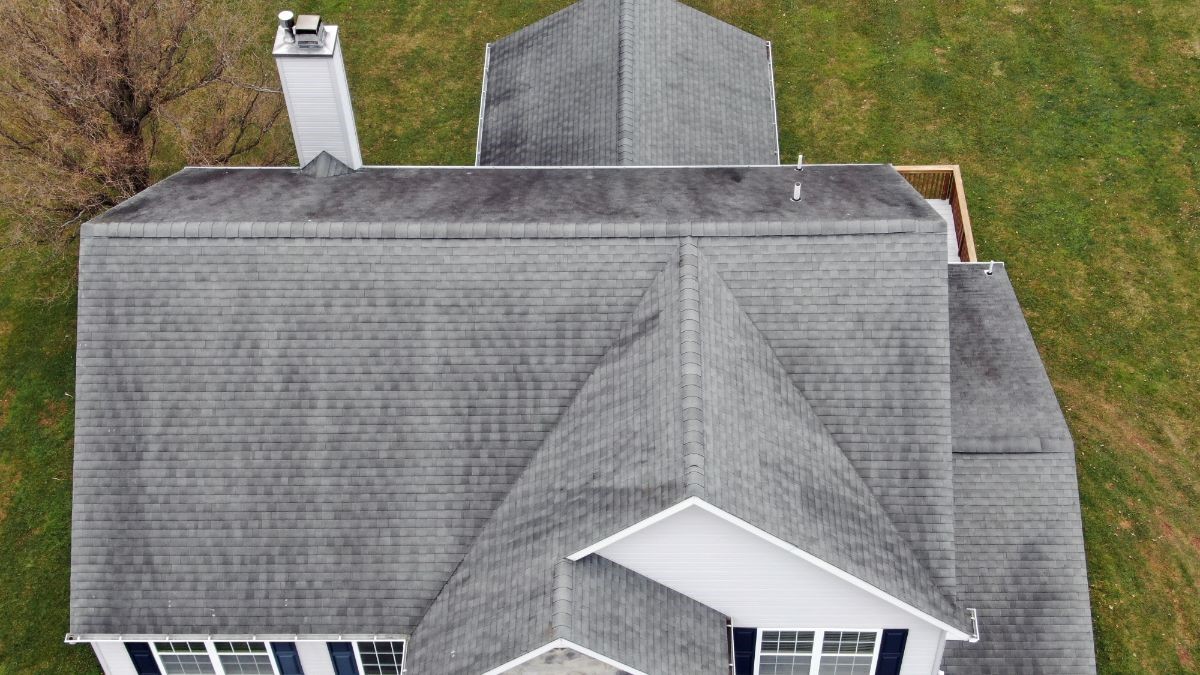
A hip is the external angle where two roof planes meet. Unlike a ridge (which is horizontal), a hip slopes downward from the ridge to the eaves. Think of it like the "outer corner" of a building's roof.What is a Roof Valley?
As we touched on, a valley is the internal angle where two planes meet. It creates a "V" shape that channels water down toward the gutters.The "Hip Cap":
Explain that hips require special "hip and ridge" shingles. These are thicker and pre-bent to hug the peak of the hip, providing both a finished look and a heavy-duty seal against wind-driven rain.
Why Homeowners Should Care (The "Pro" Insight):
Water Management: Valleys handle the most water and are prone to leaks if debris builds up. Hips, however, are prone to wind damage. Because they are elevated, high winds can catch the edges of hip shingles if they aren't installed with the right "cap" shingles.
Aesthetic Value: Hip roofs (where all sides slope down to the walls) are often considered more wind-resistant and "high-end" in architectural design than simple gable roofs.
Complexity = Cost: If a homeowner is getting an estimate, explain that "more hips and valleys" equals a more complex install. It requires more flashing, more specialized shingles, and more labor.
Subscribe to Stan's Roofing & Siding's Blog

Comments