Everyone wants a beautiful backyard oasis to enjoy the summer, but a dream deck can quickly turn into a structural nightmare if you prioritize aesthetics over integrity.
On the latest episode of *The Stan’dard Podcast*, hosts Liz and Kevin stripped away the flashy surface design and dug deep into what actually makes a backyard deck or pergola last for decades. From structural "must-haves" to the great material debate, this episode served as the ultimate blueprint for any homeowner looking to upgrade their outdoor living space.
If you’re planning a backyard build, here are the essential takeaways you need to know before the first shovel hits the dirt.
1. Substrate is Everything: The Unseen Foundation
When people picture a new deck, they imagine the color of the boards and the layout of the patio furniture. But Kevin and Liz dropped a major truth bomb right out of the gate: **the most critical part of your deck is the frame.**
If the underlying structure (the substrate) fails, the entire deck fails. To ensure your deck is solid enough to support major weight and withstand shifting ground, the hosts recommend a heavy-duty framework:
6x6 Posts:Provides the robust vertical support needed for stability.
2x10 Joists: Offers rigid, long-lasting horizontal framing.
Pro-Tip from the Show: Never let a contractor skimp on weatherproofing the frame. Insist on proper **flashing** and **joist tape**. These small additions create a waterproof barrier that prevents moisture from trapping between the boards, stopping wood rot before it ever has a chance to start.
2. The Material Showdown: Wood vs. Composite
Choosing your decking material is a balancing act between your immediate budget and your tolerance for weekend chores. Liz and Kevin broke down the options:
| Material Type | Pros | Cons |
| **Treated Wood** | Budget-friendly upfront cost; classic, natural look. | High maintenance; requires regular stripping, sanding, and staining to prevent warping and splintering. |
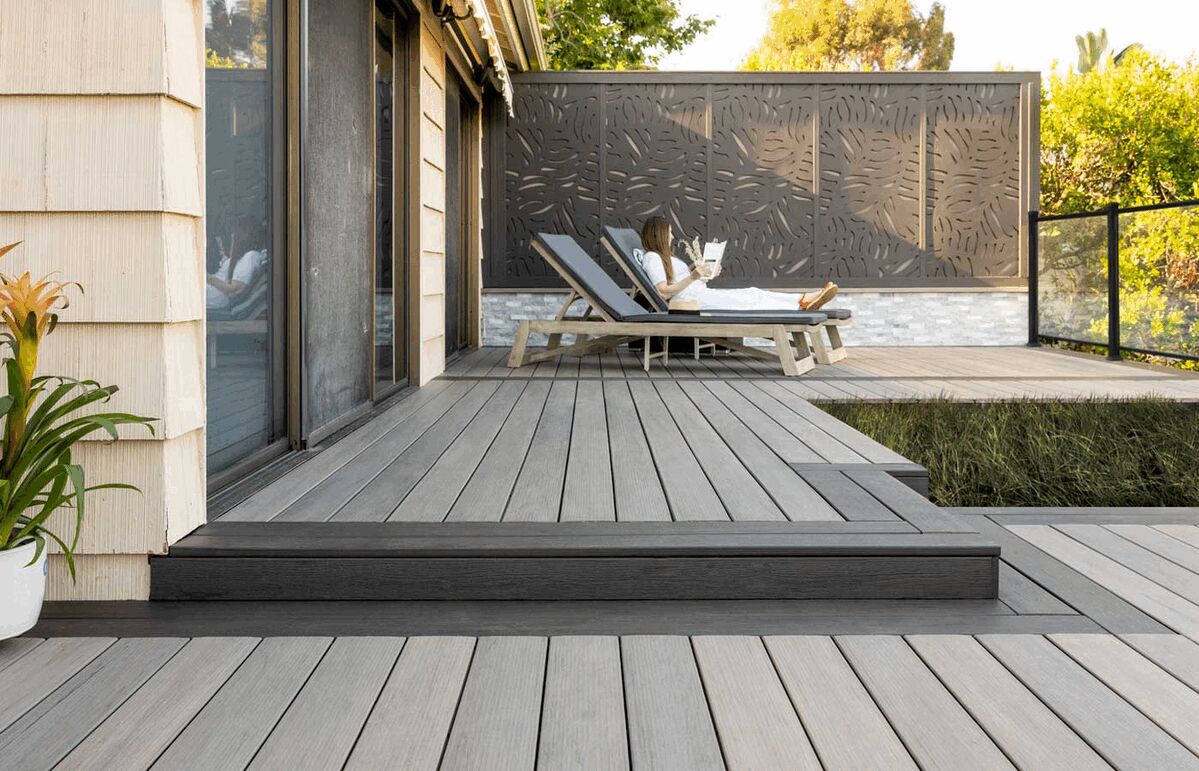
| **Composite (TimberTech / AZEK)** | Incredible durability; virtually zero maintenance; long-term value. | Higher upfront material cost. |
While treated wood saves you money today, composite materials are almost always the smarter long-term investment if you want to spend your summers relaxing on your deck rather than power-washing it.
The "Barefoot Test" & Temperature Concerns
If you are building a deck around a pool, or if you have kids and pets running around barefoot, pay close attention to the specific type of composite you buy.
Standard wood-composite boards can get incredibly hot under the blazing direct sunlight. For these high-traffic, barefoot areas, Liz and Kevin highly recommend **cellular PVC decking (like AZEK)**. PVC retains significantly less heat than traditional composites, keeping the surface much cooler on your feet during July heatwaves.
3. Thinking of Adding a Pergola? Plan Ahead!
Pergolas are fantastic decorative additions that can instantly elevate your backyard's vibe and offer a bit of shade. The good news is they install quickly—usually taking a professional crew just **1 to 2 days**.
However, if you think you might want to add a pergola *later* down the road, you need to coordinate with your contractor right now. A pergola adds substantial weight to a deck. By letting your builder know early, they can reinforce the deck’s substrate during the initial build so it can safely support a pergola later without needing to tear up finished boards.
4. Pro-Tips for a Smooth Build
Building a deck isn’t an overnight DIY project. To keep your project on track and stress-free, keep these rules of thumb in mind:
* **Understand the Timeline:** A properly built deck is a multi-step engineering process involving excavation, city inspections, concrete pouring, and framing. A quality build usually takes about **6 to 8 days**.
* **Demand Design Transparency:** Before any work begins, always ask your contractor to show you the full blueprints—including the substrate plan. If a contractor only wants to show you the top view, that’s a major red flag.
* **Never Skip Permits and Inspections:** Getting a city permit might feel like a bureaucratic headache, but it is your absolute best protection. It ensures your contractor builds to code, guarantees structural safety, and protects your home's resale value.
Stream the Full Episode
Want to hear Liz and Kevin's full breakdown, including their specific brand recommendations and funniest contractor stories? Subscribe and tune into **The Stan’dard Podcast** on Apple Podcasts, Spotify, or your favorite streaming platform!
Subscribe to Stan's Roofing & Siding's Blog



Comments